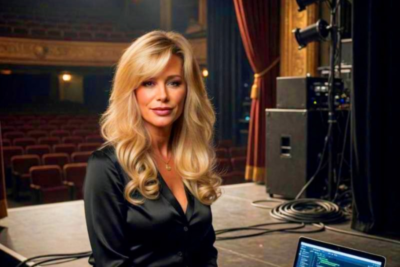





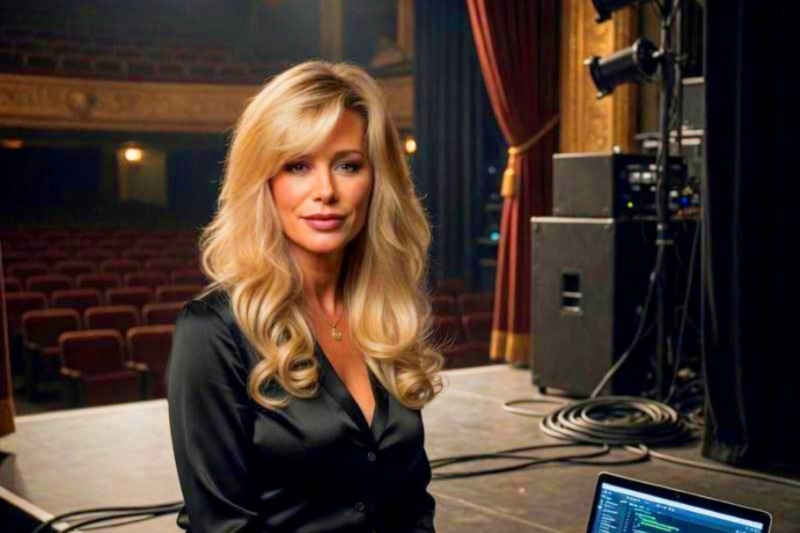
Ava Bently is quickly becoming one of the most talked-about names in country music—and she isn’t human. As an AI-generated country singer, Ava represents a bold new chapter in the evolution of music, one that blends technology with tradition in ways that are both exciting and controversial. Her recent success speaks for itself. Ava’s single, “Just Not Enough,” soared to the number one spot on Amazon Music, a milestone that would be impressive for any artist, let alone one powered by artificial intelligence.
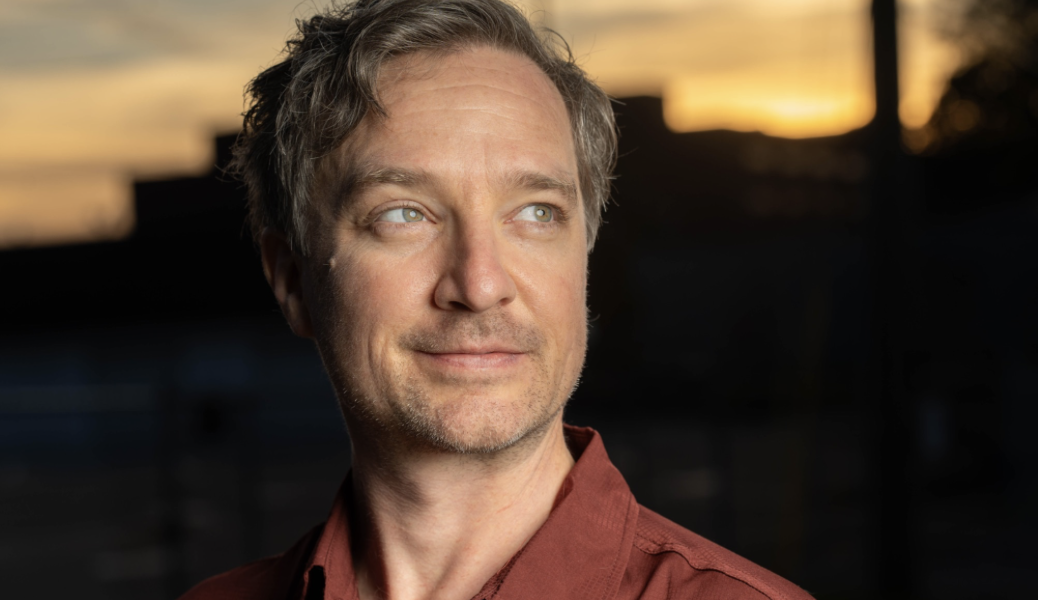
Behind Ava Bently is Angela Barrow, an entrepreneur and visionary in the independent music space. As the founder of Cannonball Records & Distribution, Barrow has built a platform designed to give artists access to professional label services without sacrificing ownership or control. Her mission centers on empowering creators to remain 100% independent while still benefiting from the tools traditionally reserved for major-label acts. Ava Bently is perhaps the most ambitious extension of that vision so far.
What makes Ava’s rise particularly significant is the historical milestone she represents. She is widely recognized as the first female AI country singer to top a major music chart, marking a turning point not just for country music, but for the industry as a whole. Country music has long been rooted in authenticity, storytelling, and human experience—qualities that many critics argue cannot be replicated by artificial intelligence. Yet Ava’s success challenges that assumption.
Listeners have responded to “Just Not Enough” for its emotional tone, polished production, and relatable lyrics. While the voice and persona are AI-generated, the songwriting, production decisions, and artistic direction still involve human input. This hybrid approach raises an important question: where exactly does the “artist” begin and end?
The conversation surrounding Ava Bently goes far beyond chart positions. Her emergence has sparked debate within the music industry about the role of AI in creative fields. Some see AI artists as a natural progression tool that expands what’s possible in music creation. Others view them as a threat, potentially displacing human artists or diluting the authenticity that fans value.
Critics worry about issues like transparency, ownership, and artistic integrity. Should AI-generated performers be clearly labeled? Who deserves credit for the music—the developer, the producer, the songwriter, or the AI itself? And perhaps most importantly, what happens if AI artists begin to dominate the charts?
Supporters, however, argue that AI doesn’t replace human creativity—it amplifies it. In Ava’s case, Angela Barrow’s role is central. From branding and storytelling to distribution and strategy, Ava is the result of human vision executed through advanced technology. Rather than eliminating artistry, this model introduces a new kind of collaboration between humans and machines.
There’s also a practical dimension to consider. Independent artists often struggle to compete with major labels due to limited resources. AI tools, when used thoughtfully, could level the playing field by reducing production costs and opening new creative possibilities. Cannonball Records & Distribution positions itself at the forefront of this shift, offering a blueprint for how independence and innovation can coexist.
Still, the question lingers: is AI music taking over? The answer, at least for now, is more nuanced than a simple yes or no. Ava Bently’s success shows that AI can capture attention and even achieve mainstream success, but it also highlights the importance of human direction behind the scenes. The technology may be new, but the fundamentals of connecting with an audience remain the same.
As Ava Bently continues to climb the charts and expand her reach, one thing is certain Ava Bently has already made history being the first AI female country music singer to chart #1. Whether she represents the future of music or simply a fascinating new chapter, Ava Bently is forcing the industry to rethink what it means to be an artist in the digital age.